
Research, Policy and Professional Practice

Spatial Research and Policy Analysis

Designing spatial research and reading policy critically enough to inform planning advice.

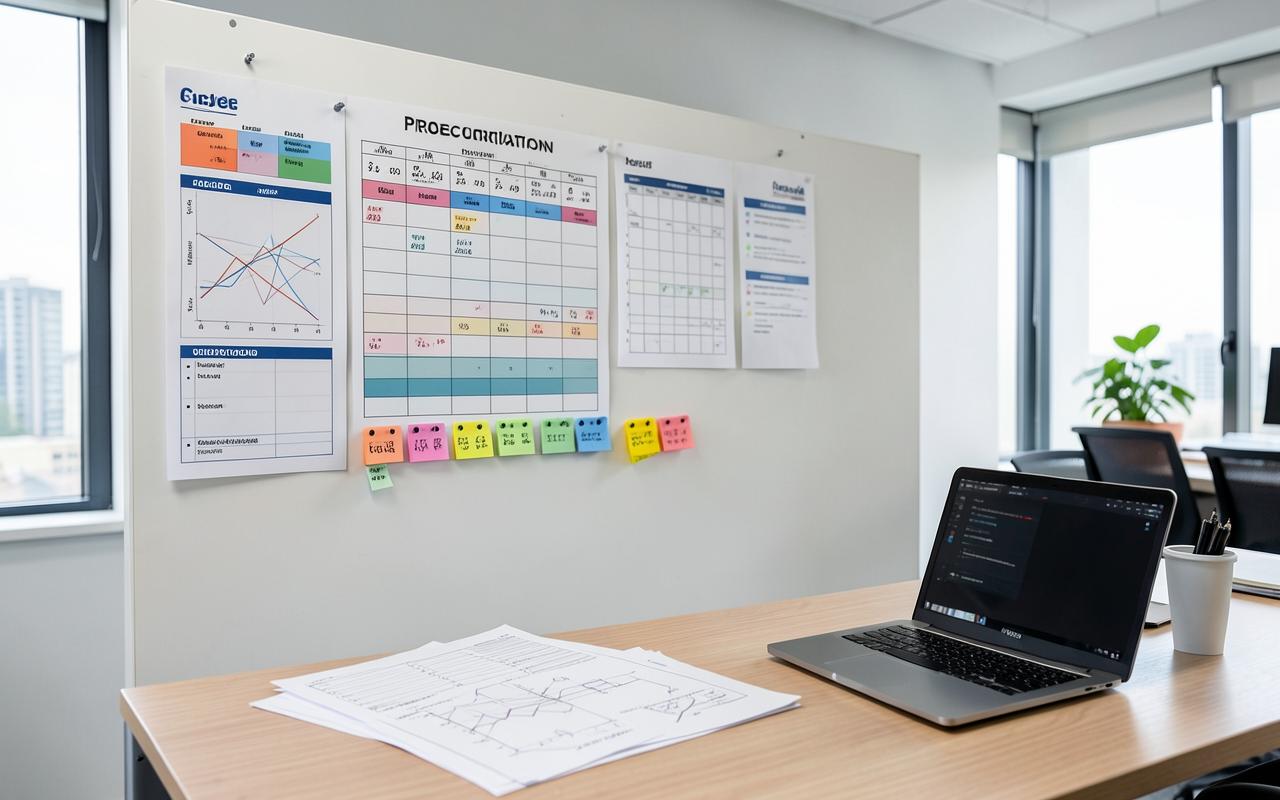
Research workspace with statistical charts, a thematic map on screen and printed policy papers
Illustrative image — spatial research and policy analysis.

Course overview

A methods-focused programme for professionals producing or commissioning spatial research: framing research questions, selecting methods, handling spatial and non-spatial evidence together, and drawing policy-relevant conclusions that survive scrutiny.

Who it is for

  • Researchers and academics
  • Planning professionals
  • Public-sector and agency teams

What participants will learn

  • Frame a tractable spatial research question
  • Select and justify appropriate methods
  • Combine spatial, statistical and qualitative evidence
  • Translate findings into policy-relevant conclusions

Curriculum outline

  1. Module 1

    Research design

    • Problem framing, scope and research questions
    • Method selection and study design
  2. Module 2

    Evidence and analysis

    • Spatial and statistical analysis in combination
    • Qualitative evidence and triangulation
  3. Module 3

    Policy translation

    • Reading and appraising policy documents
    • Structuring findings, limitations and recommendations

Expected practical outcomes

  • A defensible research design for a chosen topic
  • An analysis plan with methods and data sources
  • A policy-facing summary of findings

Prerequisites

  • Prior research or policy experience is recommended

Also in the Academy

Related programmes

Other Ideeplan Academy programmes covering adjacent skills.

Interested in this programme?

Register your interest and Ideeplan Consult will discuss subject, format and timing with you.

Discuss a Project